
Gastro Outbreak Cleaning: Norovirus Disinfection for Childcare, Schools and Aged Care

When gastro hits a childcare centre, school or aged care home, cleaning is one of the few things that actually stops it spreading. Viral gastro, usually norovirus or rotavirus, spreads easily through vomit, faeces and contaminated surfaces. The standard approach in NSW is simple: clean with detergent, then disinfect with fresh bleach at 0.1% and leave it on for at least 10 minutes.
This guide turns the public health advice into a practical cleaning plan for facility managers and cleaning teams: what to do on day one, how to clean a vomit or diarrhoea spill safely, which areas to step up, and what to have in the cupboard before the next outbreak.
Table of contents
- Is it an outbreak?
- Why bleach, and why detergent first
- How to clean a vomit or diarrhoea spill
- Daily outbreak cleaning plan
- Hand hygiene and PPE
- Outbreak cleaning kit checklist
- After the outbreak
- Frequently asked questions
Is it an outbreak?
NSW Health treats two or more people with sudden vomiting or diarrhoea at the same time, in the same institution, as an outbreak. In childcare centres and schools, it advises suspecting viral gastro when two or more children or staff have vomiting or diarrhoea within a two-day period. Aged care services in other states use a similar test, such as two or more unexplained cases among residents or staff within 72 hours.
If you think you have an outbreak:
- Report it to your local public health unit. In NSW, call 1300 066 055. Keep a list of cases, when symptoms started and how long they lasted.
- Separate anyone with symptoms from the group straight away.
- Exclude sick children and staff until at least 48 hours after their symptoms stop.
- Step up cleaning using the plan below, and tell your cleaning contractor the same day.
Why bleach, and why detergent first
Norovirus is a tough, non-enveloped virus, and many everyday cleaners and general disinfectants are not tested against it. The European Centre for Disease Prevention and Control lists sodium hypochlorite (bleach) at 1,000 to 5,000 ppm among the most effective surface disinfectants against norovirus. NSW Health recommends freshly made bleach at 0.1%, which is 1,000 ppm.
Bleach does not work well through dirt, so the order matters:
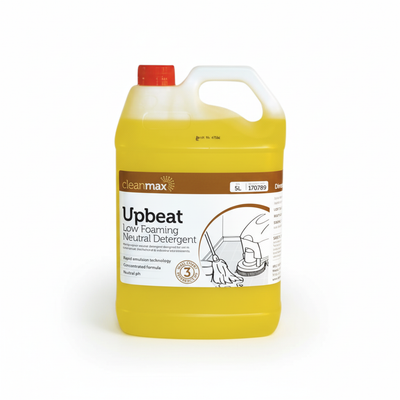
- Clean the surface with hot water and a neutral detergent such as Cleanmax Neutral Detergent Upbeat 5L.
- Disinfect with fresh 0.1% bleach and leave it wet for at least 10 minutes.
- Rinse with cold water, especially on stainless steel and metal fittings, and let everything dry fully.
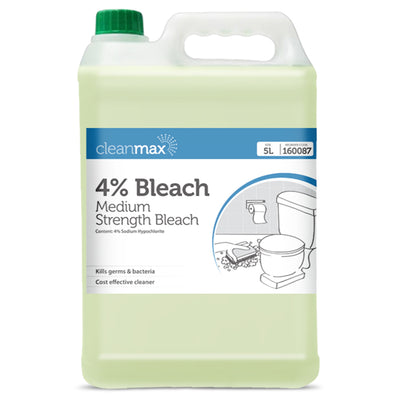
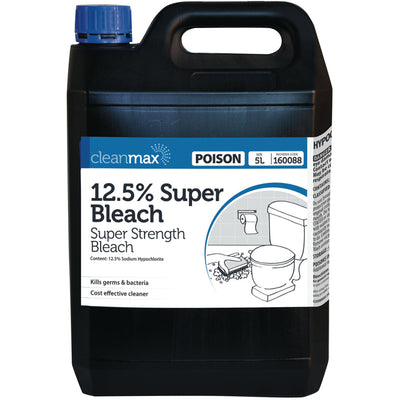
Making 0.1% bleach in a 10 litre bucket: add 250 mL of Cleanmax Bleach 4%, or 80 mL of Cleanmax Bleach 12.5%, then top up with cold water to 10 litres. Make it fresh each day, label the bucket or bottle, and never mix bleach with acid toilet cleaners or ammonia.
If you prefer a ready-to-use disinfectant, only rely on one that lists norovirus, or a stated surrogate virus, among its claims on the label. A general hospital grade claim alone does not tell you it works on norovirus. Our detergent, sanitiser and disinfectant guide explains how to read disinfectant labels.
How to clean a vomit or diarrhoea spill
Vomiting can spread droplets well beyond the visible spill, so treat a wide area.
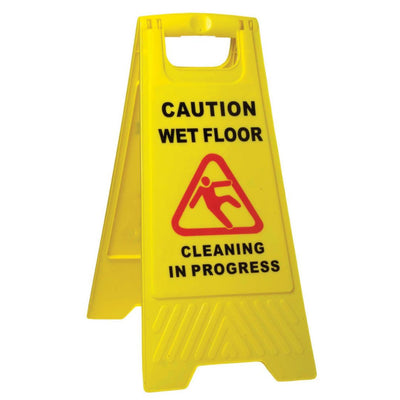
- Clear the area of other people and put out a wet floor sign.
- Put on PPE: disposable gloves as a minimum, plus a mask, eye protection and an impermeable apron or gown if you have them.
- Contain the liquid. A super absorbent powder such as Enviroplus e-Sorb turns liquid into a gel that can be scooped up, which reduces splashing.
- Remove the material with disposable paper towels, working from the outside in. Seal everything in a plastic bag and put it in a clinical waste bin if you have one.
- Clean the area with detergent and hot water, covering a generous area around the spill, not just the visible patch.
- Disinfect hard surfaces with 0.1% bleach, leave for 10 minutes, rinse and allow to dry.
- Bag and remove PPE, then wash your hands thoroughly with soap and water.
Use disposable cloths for spill clean-up, or a dedicated red cloth and red mop head that are laundered hot or thrown away afterwards. Never take a spill mop into a kitchen or another zone. Soft furnishings and carpets cannot be bleached, so follow your public health unit's advice for those items.
Daily outbreak cleaning plan
For the length of the outbreak, increase both the frequency and the reach of cleaning.
| Area | Frequency during outbreak | Method |
|---|---|---|
| Toilets, toilet seats, flush buttons, urinals, basins, taps | At least twice daily, and after any accident | Detergent, then 0.1% bleach |
| Door handles, light switches, rails, lift buttons | At least twice daily | Detergent, then 0.1% bleach |
| Nappy change areas, potties, change mats | After every use | Detergent, then 0.1% bleach |
| Hard toys, high chairs, tables | Daily, more often in affected rooms | Detergent, then 0.1% bleach, rinse well |
| Hard floors in affected areas | Daily | Detergent, then bleach, with a dedicated mop |
| Linen, cloths and mop heads | After every use | Remove promptly and wash in hot water with detergent |
| Kitchen and food areas | Normal routine, with extra hand hygiene | Detergent, then food-safe sanitiser. Keep spill equipment out |
Work from clean areas to dirty areas, and finish with toilets and affected rooms. Colour coding stops cross-contamination between zones; our colour coded cleaning guide shows how to set it up.
Hand hygiene and PPE
NSW Health's advice is to wash hands with soap and running water for 30 seconds and dry with disposable paper towels, even if gloves were worn. That applies after using the toilet, after nappy changes, when hands are visibly dirty, and before eating or preparing food. Make sure every washroom and nappy change area has soap and paper towels stocked throughout the outbreak, and check dispensers more often than usual.
Cleaners should wear disposable gloves for every outbreak task and change them between rooms. Puregiene Heavy Duty Nitrile Gloves stand up better to bleach and scrubbing than thin vinyl gloves. Our nitrile gloves guide covers sizing and thickness.
Outbreak cleaning kit checklist
Outbreaks start without warning, often on a Friday afternoon. Keep a sealed kit in each building so staff are not hunting for supplies:
- Bleach: Cleanmax Bleach 4% 5L, with a measuring jug and dated labels
- Neutral detergent: Cleanmax Upbeat 5L
- Absorbent powder: Enviroplus e-Sorb 500g
- Gloves: heavy duty nitrile in the sizes your team wears
- Red cloths and mop head for toilet and spill zones: Cleanmax Microfibre Cloth Red, Cleanmax Cotton Mop Head Red
- Labelled spray bottles for made-up bleach
- Heavy duty bin liners and sealable bags
- Wet floor sign
- Masks, eye protection and disposable aprons
- A printed copy of this plan and your public health unit's number
After the outbreak
Once your public health unit confirms the outbreak is over, do a final full clean of every affected room: hard surfaces, toys, fittings and floors, with detergent then bleach. Launder all curtains, linen and soft items in hot water, and replace mop heads and cloths used during the outbreak. Restock the outbreak kit straight away and check the bleach is in date.
Sector-specific supply lists are in our childcare, aged care and school cleaning supplies guides.
Frequently asked questions
What kills norovirus on surfaces?
Freshly made bleach at 0.1% (1,000 ppm), left on a pre-cleaned surface for at least 10 minutes, is the standard recommendation from NSW Health. Other disinfectants only work if norovirus or a suitable surrogate virus is listed on the label.
How much bleach do I add to water for a gastro outbreak?
For 0.1% bleach in a 10 litre bucket, use 250 mL of 4% bleach or 80 mL of 12.5% bleach, topped up to 10 litres with cold water. Make it fresh daily and check the label strength of your bleach.
Does hand sanitiser work against gastro?
Soap and running water is the recommended method during gastro outbreaks. NSW Health advises washing hands for 30 seconds and drying with paper towels after toileting, nappy changes and before handling food. Alcohol hand rub can be used at other times but should not replace hand washing.
How long should staff and children stay away after gastro?
NSW Health advises excluding sick children and staff until at least 48 hours after their symptoms have stopped.
Can I bleach carpet or soft furniture after a vomit spill?
No, bleach will damage most carpets and fabrics. Remove the material, clean with detergent and follow your public health unit's advice for soft surfaces, which usually involves hot water extraction or steam cleaning.
Stock up before the next outbreak
Matthews Cleaning Supplies delivers bleach, detergents, gloves and spill supplies Australia-wide, with volume pricing on every order. Schools, childcare and aged care groups can open a trade account for repeat orders.
Sources: NSW Health, Controlling viral gastroenteritis outbreaks in childcare centres and schools; NSW Health, Gastro pack for childcare centres; ECDC, Prevention of norovirus infection in schools and childcare facilities. This guide is general information and does not replace advice from your public health unit.
Shop this guide
Written by
Jordan MatthewsCommercial cleaning specialist at Matthews Cleaning Company. Our expert team draws on years of hands-on field experience to help businesses choose the right tools and chemicals for every cleaning challenge.


