Gym Cleaning Supplies: The Complete Checklist for Australian Fitness Centres

A gym asks more of its cleaning products than almost any other commercial space. Sweat sits on every hand contact point, the change rooms stay humid for hours, and the rubber flooring holds odour long after the surface looks clean. Standard office supplies will keep it looking presentable, but they will not keep it hygienic.
In short: a gym needs three things most offices do not: a hospital-grade disinfectant that kills germs on sweat-contact surfaces, an acid-based descaler that removes mineral scale from shower screens and tiles, and a mat-safe cleaner that lifts odour from rubber without soaking the foam underneath.
This guide covers what to buy, which zone each product belongs to, and how to build a supply order that holds up to a full timetable of classes.
On this page
- Why gym cleaning is a different job
- The gym cleaning supplies checklist, zone by zone
- Disinfectants for sweat-contact surfaces
- Shower scale and soap scum: the descaler problem
- Mats, flooring and the odour problem
- Colour coding your gym cleaning kit
- Consumables that run out first in a busy gym
- Building the order
- Frequently asked questions
Why gym cleaning is a different job
Three conditions separate a fitness centre from a standard commercial site.
Skin contact. Members grip handles, bars, benches, mats and machine pads with bare hands, then touch their face. Every one of those surfaces is a fomite, and sweat is a comfortable medium for bacteria and fungi. Hand contact points on equipment need a disinfectant with a genuine kill claim, not a general-purpose surface wipe.
Moisture. Showers, steam and heavy breathing keep change room humidity high. That drives soap scum onto screens, mineral scale onto tiles and grout, and mould into grout lines and ceiling corners. Cleaning that removes soil but leaves moisture behind simply relocates the problem.
Rubber and foam. Rubber flooring, foam mats and vinyl upholstery absorb whatever you put on them. Over-wet mopping leaves a slippery film and a trapped smell that returns as soon as the room warms up. These surfaces want low-moisture products and controlled dilution.
Cleaners and facility managers working in fitness facilities should also work to the national infection prevention guidance published by the Australian Commission on Safety and Quality in Health Care, and confirm current operator obligations through Fitness Australia. The practical version of that guidance is the checklist below.
The gym cleaning supplies checklist, zone by zone
Split the site into four zones. Each needs its own kit, its own cloth colours and its own dilution rates, so a cleaner never carries change room contamination onto a studio floor.
Change rooms and showers
- Shower and washroom cleaner for soap scum, body oils and general washroom soil — Agar Shower Star washroom cleaner is built for this exact job.
- Biodegradable descaler for screens, tiles and tapware where mineral scale has bonded.
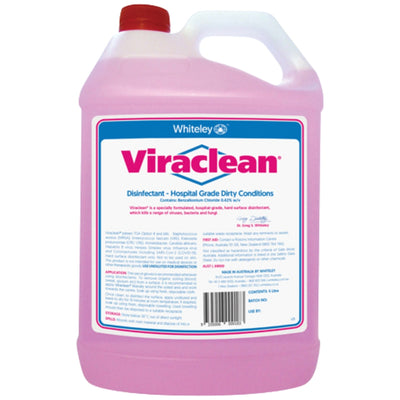
- Hospital-grade disinfectant for benches, handles and door plates — Viraclean, 5L.
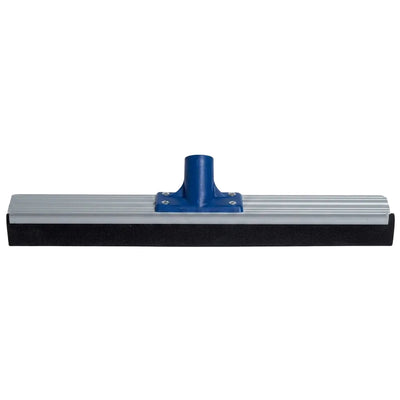
- Aluminium floor squeegee to clear shower and wet-area floors so they dry between uses — Oates 450mm squeegee.
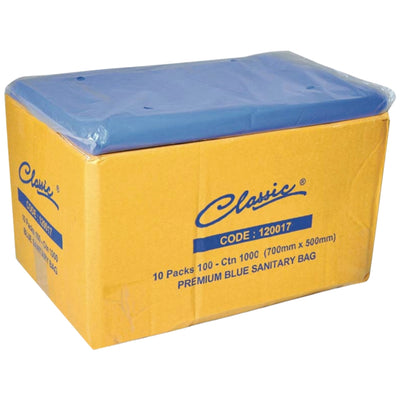
- Sanitary bin liners and urinal screens for the fixture side of the room — sanitary bin liners and urinal screens.

Cardio and strength areas
- Ready-to-use disinfectant wipes for handlebars, consoles, dumbbells and machine pads during peak hours — V-Wipe tubs of 100.
- Spray-and-wipe detergent in a labelled 1L spray bottle for consoles, screens and vinyl upholstery.
- Microfibre cloths — one damp, one dry per station — in a dedicated equipment colour.
- Heavy duty floor cleaner for rubber tiles and vinyl under racks — HD Cleaner, 5L.
- Cotton mop head and side-press bucket for spot mopping — 400g cotton mop heads with a 16L side-press bucket.
Studios and group fitness rooms
- Spray-and-wipe detergent at a controlled dilution for mats, blocks and props.
- Scrub pads in the correct grade for scuffed vinyl and painted skirting.
- A second dry mop dedicated to the studio so no change room mophead ever touches the floor members lie on.
Reception, corridors and general areas
- Entry matting at the door to trap grit before it reaches rubber flooring.
- Bulk hand soap at reception and in every washroom — 5L hand soap refill.
- Metered air fresheners for corridors and change rooms — Higieneco metered refills.
- Bin liners sized to the actual bin, not the nearest size in the cupboard — 80L liners for general waste.
Disinfectants for sweat-contact surfaces
Not every product sold as a disinfectant carries a kill claim strong enough for shared equipment. For gym hand contact points, look for a hospital-grade or TGA-listed disinfectant with a defined contact time, and read the label rather than the marketing copy.
Two practical points matter more than brand:
- Contact time. A disinfectant needs to stay wet on the surface for its stated dwell time. If a cleaner sprays and wipes instantly, the product is acting as a cleaner only. Wipes in a sealed tub hold their wetness better than a spray bottle at a busy station.
- Surface compatibility. Chlorine-based products pit plated metal and dull painted frames. For machine pads and vinyl, a neutral or slightly alkaline disinfectant is safer over thousands of cycles.
For a deeper comparison of kill claims, dwell times and where each chemistry belongs, see our guide to hospital grade disinfectants.
Shower scale and soap scum: the descaler problem
Change room showers are the fastest area in any gym to fall behind, because hard water scale and soap scum bond to glass and glaze. Once bonded, a general washroom cleaner polishes the surface without removing the deposit — the screen looks smeared again within a day.
Treat it as a two-stage job:
- Stage one: dissolve. Apply an acid-based descaler such as Enviroplus e-Descale, allow the dwell time on the label, then agitate with a non-scratch pad. Never use steel wool on glass or chrome.
- Stage two: maintain. Once the scale is gone, a daily washroom clean and a squeegee after every use keeps it from returning. This is the cheapest labour saving in the building.
Pair descaler work with a proper washroom routine — our bathroom cleaner guide sets out which chemistry goes on which surface.
Mats, flooring and the odour problem
Rubber and foam trap odour, and over-wetting them makes it worse. Water carries sweat and soil into the foam, where it stays warm and starts to smell.
- Dry first. Vacuum or sweep loose grit before any liquid touches the mat. Grit is what grinds down the surface and creates the dull, worn look.
- Use the minimum moisture. A lightly dampened microfibre cloth with a correctly diluted spray-and-wipe detergent cleans a mat without saturating it. Wring cloths properly and change them often.
- Allow air movement. Lift mats, separate stacked equipment and let flooring dry before members return. Where a room has no airflow, a fan during the clean does more for odour than extra chemical.
- Clean the hard floor underneath. Use a diluted heavy duty floor cleaner on the subfloor and mop sparingly, so the mat is not sitting on a wet base.
For floor machines, scrubbers and larger equipment, see our guide to commercial floor cleaning machines.
Colour coding your gym cleaning kit
A gym has four contamination risk areas in one building: toilets, change room wet areas, equipment floors and reception. Colour coding removes the decision from the cleaner and reduces cross-contamination between them.
Microfibre cloths and 400g mop heads are available in matched colours — typically red for toilets and urinals, blue for general surfaces and equipment, green or yellow for food and reception areas, and a separate colour for change room wet areas. Store them separately and never mix a red cloth back into the general kit at the end of a shift.
Full setup detail, including storage and training, is in our guide to setting up a colour coded cleaning system.

Consumables that run out first in a busy gym
Consumables fail silently — nobody notices until a member does. The items below move fastest in a high-traffic fitness centre, so order them by usage across the whole timetable rather than per clean.
- Disinfectant wipes for equipment stations
- Hand soap and, where fitted, sanitiser refills
- Toilet tissue and hand towel consumables in change rooms
- Bin liners, including sanitary bin liners
- Metered air freshener refills
- Urinal screens and blocks
- Microfibre cloths, retired as they wear
Run a physical stock count of these weekly and keep two to four weeks of cover. Short-order chemical deliveries cost far more in freight than the space the stock takes up.
Building the order
Three rules keep a gym supply cupboard under control:
- Dilute on site, order concentrate. A 5L concentrate makes a far higher volume of working solution than ready-to-use bottles, and it takes up less storage where space is tight.
- Match the tool to the surface, not to what is in the cupboard. A squeegee, a damp microfibre and the right chemistry do the work; extra chemical does not.
- Standardise consumables. One soap refill size, one liner spec and one wipe tub across every dispenser means fewer part-used packs and less guessing.
If you are setting a site up from scratch, build the order zone by zone from the checklist above — change rooms first, then equipment floors, then studios and reception.
Frequently asked questions
What cleaning products should a gym use?
A gym should stock a hospital-grade or TGA-listed disinfectant for shared equipment, a spray-and-wipe detergent for consoles and vinyl, an acid-based descaler for shower screens and tiles, a washroom cleaner for change rooms, colour coded microfibre cloths, a floor squeegee, and a heavy duty floor cleaner for rubber and vinyl flooring. Consumables — wipes, soap, liners, urinal screens — complete the kit.
How often should gym equipment be cleaned?
Hand contact points on shared equipment should be wiped down between users in peak hours, and fully cleaned and disinfected at least once daily. High-touch surfaces such as dumbbells, handlebars and machine pads warrant more frequent attention than floors or walls, and change room wet areas should be cleaned at least daily with a squeegee finish so surfaces dry between uses.
What is the best way to clean rubber gym mats?
Remove loose grit by vacuuming or sweeping first, then wipe with a lightly dampened microfibre cloth using a correctly diluted spray-and-wipe detergent. Avoid soaking mats, because water carries soil into the foam and causes odour. Separate and air mats after cleaning, and never use solvent-based or strongly alkaline products on rubber, as they degrade the surface.
How do you remove scale from shower screens in a gym?
Apply an acid-based descaler to the screen, allow the label dwell time, then agitate with a non-scratch pad and rinse thoroughly. Mineral scale and soap scum bond to glass and will not lift with a general washroom cleaner alone. Once removed, keep the screen clear with a daily washroom clean and a squeegee after every use.
Do gyms need a hospital-grade disinfectant?
Gyms should use a disinfectant with a verified kill claim for shared equipment, because members grip the same surfaces with bare hands. Hospital-grade or TGA-listed products provide documented efficacy and a stated contact time. A general-purpose cleaner removes visible soil but does not carry the pathogen kill claim that sweat-contact surfaces require.
Supplying your gym
Matthews Cleaning Supplies stocks disinfectants, washroom chemistry, descalers, floor care, microfibre and all the consumables covered in this checklist. Browse the full range or contact us for a zone-by-zone order for your site.
Shop this guide
 Agar Shower and Washroom Cleaner Shower Star — 5L
$70.80 inc GST
 Oates Aluminium Floor Squeegee — Neoprene Rubber, Blue, 450mm
$40.60 inc GST
Buy 10+ and save $4.06 each