Warehouse Cleaning Supplies: The Complete Guide for Australian Industrial Sites
Last updated: September 2026
A warehouse cleaning kit covers five jobs: spill control, dust and debris removal, heavy-duty degreasing, floor drying, and waste and washroom consumables. The core items are an absorbent spill gel, a wet and dry vacuum, a degreaser detergent, a floor squeegee, dust mops and industrial bin liners — sized to your floor area and forklift traffic.
Warehouse and industrial cleaning differs from office cleaning in three ways: the volumes are bigger, the soils are heavier (oil, coolant, concrete dust, food waste), and the safety stakes are higher because forklifts and pallet jacks share the floor with people on foot. This guide covers the warehouse cleaning supplies Australian factories, distribution centres and workshops get through every month, and the WHS obligations that decide what you are required to keep on site.
On this page:
- Spill control
- Dust and debris control
- Heavy-duty degreasing
- Floor drying and squeegees
- Waste and washroom consumables
- A practical cleaning schedule
- WHS obligations to document
- Equipment checklist by facility size
- Frequently asked questions
1. Spill Control: The Job You Cannot Schedule
Nothing stops work faster than a spill. Water on sealed concrete turns a forklift lane into a skid pan, and a leaking drum of hydraulic oil can spread across 50 square metres before anyone notices. An absorbent that only soaks liquid leaves a slippery film behind, so the aim is to remove the hazard completely, not to mop around it.

What belongs in a warehouse spill kit
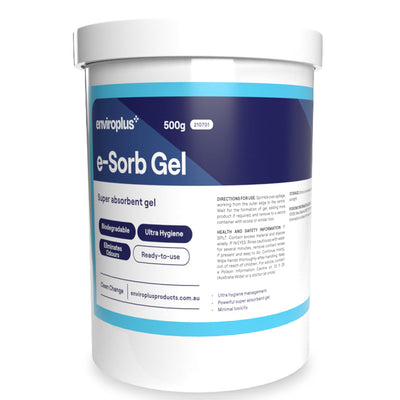
- Absorbent gel. Enviroplus e-Sorb Super Absorbent Gel absorbs up to 100 times its own weight and converts spills into a non-drip solid that can be swept up and disposed of — it works on water, urine, chemicals and aqueous fluids, and the 500g container stores easily on a cleaning trolley or at the loading dock.
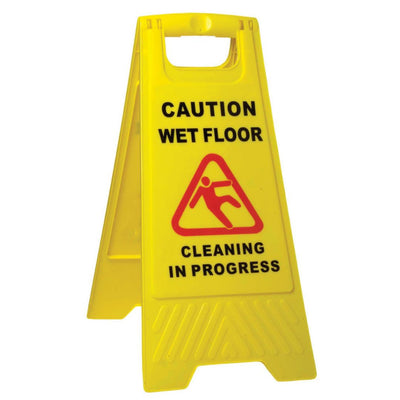
- Wet floor signage. The Cleanmax Caution Wet Floor A-Frame Sign uses moulded text that will not fade or peel, has non-marking feet for tiles, vinyl and concrete, and folds flat into a trolley or cupboard.
- A wet and dry vacuum. For volumes no mop or gel can handle, the Cleanstar 90L Wet & Dry Vacuum takes liquid and dry debris with the same machine — concrete dust, sawdust, spilled product and flood recovery included.
- Gloves and a dedicated waste bin. Single-use nitrile gloves and a labelled bin keep recovered spill material out of general waste streams.
Slips, trips and falls remain one of the most common causes of workplace injury in Australia, and immediate spill response is the control that matters most on an industrial floor. Safe Work Australia publishes the national guidance on controlling that risk.
2. Dust and Debris Control
Concrete dust, cardboard fibre, shrink wrap offcuts and pallet splinters all settle on racking, stock and plant. Dust is not just a presentation issue — heavy dust loading is an air-quality and fire-risk issue in workshops, and it migrates into machinery given the chance.
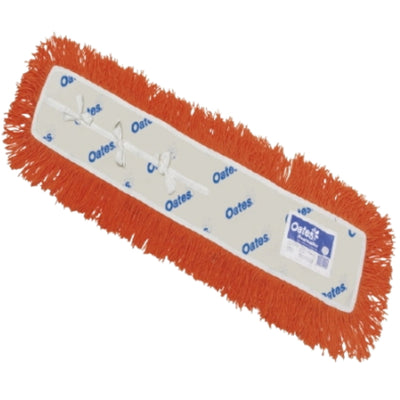
The reliable method is two-stage: dry first, then damp-clean. Wide dry mopping with a modacrylic head captures dust rather than pushing it into racking — the CleanMax Modacrylic Dust Mop Fringe at 91cm covers large floor areas quickly and the fibres help control static build-up while they work. Follow with a damp mop on high-traffic lanes, and use the 90L wet and dry vacuum in corners, under racking and around machinery where a mop cannot reach.
For heavier build-up — embedded grime and dried-on residue on concrete, timber or tile — a long-handled scrub brush saves a lot of kneeling. The Oates Deck Scrub & Handle pairs extra-stiff polypropylene bristles with a 1.35m powder-coated steel handle and screw-lock fitting, and the bristles are chemical resistant.
3. Heavy-Duty Degreasing of Floors, Machinery and Racking
Industrial grease is not kitchen grease. It is lubricating oil, hydraulic fluid, vehicle coolant, forklift tyre black and the grey film that builds at the base of pallet racking. Two products in the range cover most of it.

- Enviroplus Heavy Duty Degreaser e-Magiclean 5L — a concentrated, biodegradable cleaner that combines detergency, emulsification and solvency to lift oil and grime from most surfaces. It is the everyday industrial degreaser.
- Agar Dirt-Off Degreaser Detergent 5L — a heavy-duty detergent and degreaser for the toughest soils on floors, walls, pavements and machinery, approved for mops, auto scrubbers, steam cleaners and pressure washers. It also leaves a fresh fragrance behind, which matters in enclosed plant rooms.
Dilute to the label rate rather than dosing by eye. Over-strength chemical leaves residue that attracts a new layer of dirt within days, and it unnecessarily raises your chemical exposure risk. For a full breakdown of dilution, dwell time and floor-type compatibility, see our guide to commercial hard floor cleaners and degreasers.
Exterior areas, loading docks and concrete aprons usually need mechanical agitation rather than more chemical — our commercial pressure washer guide covers which machine suits which surface.
4. Floor Drying and Squeegee Technique
Cleaning is only half the job. A floor is not safe until it is dry, and in a warehouse the drying window is often the ten minutes before the next truck backs in.

A wide squeegee is the fastest manual way to move water and chemical into one line for pickup. The Oates Plastic Floor Squeegee 525mm uses a neoprene rubber blade that conforms to uneven concrete, an impact-resistant polypropylene frame that resists rust and harsh chemicals, and non-marking edges. The blade is part of the Oates screw-fit handle system, so heads and handles stay interchangeable across your trolleys.
Two habits make squeegeeing work in an operating warehouse: sign the area before you start, and finish one aisle completely before moving to the next rather than leaving a wet trail between them.
5. Waste and Washroom Consumables
Waste is the highest-volume consumable on most industrial sites, and the wrong liner fails at the worst moment — split bag, loose waste, and a cleanup job you did not schedule. The Classic 240L Bin Liners are 30 micron LDPE with side gussets, sized 112cm × 147cm to fit standard council wheelie bins and slide over the rim without tearing. For sizing by bin and waste type, see our commercial bin liner size and strength guide.
At entry points, matting does the first pass on grit and moisture before it reaches your floor. Our industrial floor mats guide covers entrance, anti-fatigue and safety matting, and the commercial mops guide covers the mop and bucket combinations that suit large floor plates.
Washroom consumables round out the order: hand soap, sanitiser, paper towels, toilet tissue and urinal products for the amenity block and staff facilities. Decanting chemicals? Use dedicated pre-printed chemical labels so every spray bottle and decant is compliant.
A Practical Cleaning Schedule for a Warehouse
- Daily: empty and re-line waste bins, respond to spills immediately (gel, sign, sweep), sweep or dust mop main pedestrian routes, damp mop offices and amenities.
- Weekly: squeegee or auto scrub forklift lanes, degrease the loading dock, clean washrooms top to bottom, check spill kit stock and signage.
- Monthly: pull out pallet stacks and racking base plates where it is safe to do so, degrease machinery surrounds, inspect drain grates, restock consumables against actual usage.
- Quarterly: deep clean sealed floors, pressure wash external aprons and bin bays, review the chemical inventory and safety data sheet folder, and retrain staff on spill response.
WHS Obligations You Need to Document
WHS laws in every Australian state and territory require a business to manage risks to health and safety, including slips and trips and exposure to hazardous chemicals. In practice that means the following are kept current and accessible:
- A current safety data sheet for every chemical on site, and a register of what you hold.
- Chemicals stored and decanted into correctly labelled containers — never an unlabelled spray bottle.
- Immediate spill and wet floor controls, with signage in place while the floor dries.
- PPE and training records for staff who handle chemicals or clean plant.
State and national regulators publish the detail: Safe Work Australia and WorkSafe Victoria both set out the hierarchy of controls for slip hazards, which starts with eliminating the hazard — removing the spill itself — before signage or PPE.
Equipment Checklist by Facility Size
Small workshop or warehouse under 1,000 m²: one wet and dry vacuum, one 16L mop wringer bucket with mop, 91cm dust mop, 525mm squeegee, absorbent gel, two wet floor signs, 120L and 240L liners.
Mid-size distribution centre, 1,000–5,000 m²: the above plus a 90L wet and dry vacuum for volume, a second mop and bucket set to keep clean and dirty water separate, deck scrub for dock and apron areas, and 5L concentrates rather than ready-to-use chemicals.
Large industrial or manufacturing site over 5,000 m²: a 90L vacuum for spill and dust recovery, a stainless steel 30L unit for food-grade and hygiene areas, an auto scrubber or ride-on where the floor plate allows, bulk concentrate chemicals with a dilution station, and scheduled consumable deliveries so liners, paper and soap never run out mid-shift.
Frequently Asked Questions
How often should warehouse floors be cleaned?
High-traffic pedestrian routes and amenities should be cleaned daily, forklift lanes squeegeed or auto scrubbed weekly, and the full floor deep cleaned quarterly. In food, logistics and manufacturing environments with high dust or oil loading, increase the deep clean to monthly.
What is the best degreaser for a warehouse floor?
Use a concentrated heavy-duty degreaser detergent that is approved for your cleaning method. Enviroplus e-Magiclean handles everyday oil and grime on most surfaces, while Agar Dirt-Off is formulated for tougher soils and is approved for mops, auto scrubbers, steam cleaners and pressure washers.
Do I need a wet and dry vacuum or a floor scrubber?
They do different jobs. A wet and dry vacuum removes dust, debris and standing liquid from corners, under racking and around machinery, and doubles as spill recovery equipment. An auto scrubber cleans and dries large open floor plates. Most industrial sites need a vacuum for detail and spills, and a scrubber only once open floor area justifies the cost.
What should a warehouse spill kit contain?
At minimum: an absorbent gel or absorbent material, wet floor signage, gloves, a means of collecting the material (a wet and dry vacuum or squeegee and pan), and a labelled bin for disposal. Keep it at the loading dock and at the point of highest spill risk.
Order Warehouse Cleaning Supplies in One Order
Matthews Cleaning Supplies stocks the vacuums, degreasers, scrub brushes, squeegees, spill control products and washroom consumables that industrial sites get through every month. Browse the full range or contact us and we will help you build a consumables list matched to your floor area and shift pattern.
Shop this guide
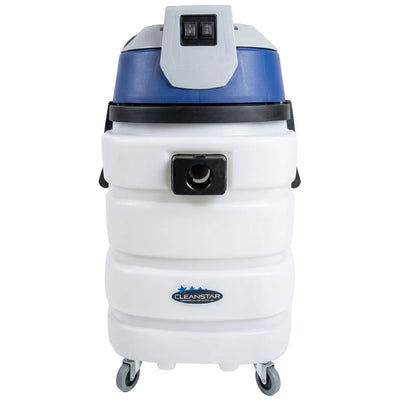 Cleanstar Commercial Wet & Dry Vacuum — 90L Industrial Vacuum
$1,270.65 inc GST
Buy 10+ and save $127.07 each