
Best Commercial Cleaning Equipment: Buying Guide for Facility Managers

Quick answer: The core commercial cleaning kit for most facilities is a HEPA backpack or canister vacuum, a mop and wringer bucket system with colour-coded heads, a dust control mop, a lobby pan and broom, colour-coded microfibre cloths, labelled spray bottles, wet floor signs and a janitor's cart to carry it all. Larger hard-floor sites add a wet and dry vacuum or a compact floor scrubber. Buy for the floor area, floor type and traffic you actually have, and judge every item on cost per clean, not purchase price.
Most facilities do not need more equipment. They need the right equipment in the right place, and they need it to last. This guide sets out what each piece of commercial cleaning equipment is for, how to size it to your site, and where spending a little more saves money every shift.
Start with the job, not the catalogue
Before buying anything, answer four questions about the site:
- How much floor, and what kind? Carpet, vinyl, tile, polished concrete and timber each need different tools. A site that is mostly carpet is a vacuum job; a site that is mostly hard floor is a mop, dust mop and possibly a scrubber job.
- How much traffic? Entrances, lifts and corridors carry most of the soil. Equipment for those zones needs to be faster and tougher than equipment for back offices.
- Who is cleaning, and for how long? A two-hour evening clean by one person needs lightweight, quick equipment. A full-time day crew can justify heavier machines.
- Where will it be stored? A cleaner's cupboard with no tap or drain limits what you can run. Measure it before you buy a trolley or a scrubber.
Vacuums: the biggest single equipment decision
On carpeted sites the vacuum is where most cleaning time goes, so it is where the right choice pays back fastest.
Backpack vacuums for speed
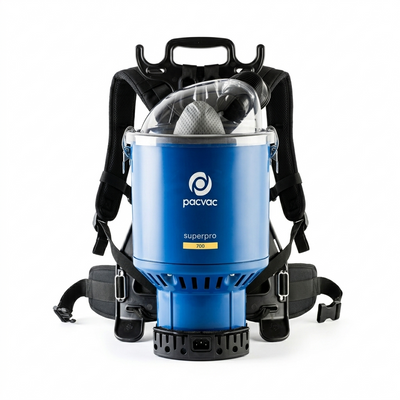
A backpack vacuum lets the cleaner move through offices, classrooms and corridors without dragging a canister behind them, and reaches stairs, under desks and high ledges more easily. The Pacvac Superpro 700 is the corded model we run on our own sites. Where cords are a hazard or power points are scarce, the battery Pacvac Superpro Go removes the lead entirely. Our backpack vacuum guide compares the range in detail.
Canister vacuums for durability
For sites where one machine is shared across a team, or where cleaners prefer not to wear a harness, a commercial canister such as the Henry Pro HVR200B is simple, hard to break and easy to service. Read our Henry Pro review for running costs over its life.
Wet and dry vacuums for spills and slurry
Workshops, kitchens, car parks and builders cleans produce water and sludge, not just dust. A 90 litre wet and dry vacuum recovers liquid instead of pushing it around with a mop.
Whatever you choose, budget for consumables from day one: bags and filters are what keep suction up and motors alive. Our vacuum bags and filters guide covers replacement schedules.
Hard floor care
Mop and bucket systems
A wringer bucket is still the backbone of hard floor cleaning. A 16 litre contractor mop bucket with wringer keeps the mop at the right dampness, which means faster drying and fewer slip complaints. Pair it with 400g cotton mop heads for general wet mopping, or a 60cm microfibre flat mop where you want less water on the floor. Buckets and heads in matching colours let you keep bathroom and kitchen mopping separate; see our colour-coded cleaning system guide.
Dust control mops
Dry grit is what scratches and dulls hard floors. Running a 91cm modacrylic dust control mop before wet mopping removes it in a fraction of the time a broom takes, and leaves less for the mop to spread around.
Floor scrubbers
Once a site has large areas of tile, vinyl or sealed concrete, a compact battery scrubber washes and dries in one pass and does a far better job on grout lines than a mop. If you are weighing one up, our floor scrubber buying guide explains when the labour saving justifies the cost, and the floor scrubber range lists machines and pads.
Squeegees and wet floor signs
A 525mm floor squeegee moves water to a drain in wash bays, kitchens and amenities far faster than a mop. Every wet floor needs a caution wet floor sign until it is dry; our wet floor signs guide covers placement.
Sweeping and debris
For entrances, car parks and warehouse floors, an industrial 450mm broom paired with a lobby pan set lets cleaners collect debris standing up, which is quicker and easier on backs over a full shift. See our broom and dustpan guide for setups by facility size.
Dusting, high areas and glass
- Microfibre cloths in four colours are the cheapest upgrade most sites can make. Cleanmax premium microfibre cloths lift dust instead of spreading it and can be laundered hundreds of times.
- High dusting tools such as the Oates flexible high dusting wand on a 2.4m extension pole reach vents, light fittings and ledges without a ladder.
- Glass stays streak-free with a proper squeegee and washer, such as the contractor window cleaning kit. Our window cleaning equipment guide goes further.
Chemical dispensing and bottles
Most chemical waste comes from guessing the dilution. A dosing pump for 5 litre bottles measures the same amount every time, and labelled 1 litre sprayer kits keep every decanted chemical identified, as Australian workplace chemical rules require. Our chemical dilution systems guide shows the savings.
Carts and storage
A janitor's cart with a waste bag means one trip to the cupboard per shift instead of five, keeps chemicals off the floor and gives the cleaner a mobile bin. See our cleaning trolley guide for layouts.
Starter kits by facility size
| Facility | Core equipment |
|---|---|
| Small office or retail (under 500 m²) | 1 backpack or canister vacuum, 1 mop bucket and wringer with 2 colour-coded mop heads, dust mop, lobby pan and broom, 4-colour microfibre cloth set, 2 to 3 labelled spray bottles, 2 wet floor signs. |
| Medium site (500 to 2,000 m²) | 1 vacuum per cleaner, 2 mop buckets (bathroom and general), flat mop for quick spot cleans, dust mop, high dusting wand and pole, janitor's cart, dosing pump for main chemicals, 4 wet floor signs. |
| Large or hard-floor site (2,000 m² plus) | All of the above per zone, plus a compact floor scrubber, a wet and dry vacuum, a floor squeegee for wet areas, and a spare vacuum so cleaning never stops for a repair. |
Judging cost: price per clean, not price per item
A cheaper vacuum that needs replacing every year, or a mop head that falls apart after twenty washes, costs more over three years than a commercial model that lasts. When comparing equipment, ask three questions:
- How many minutes does it save per clean? Labour is the largest cost on any cleaning contract, so a tool that saves ten minutes a night is worth far more than its price difference.
- How long will it last at your usage? Commercial equipment is built for daily use; household equipment is not.
- What do the consumables cost? Bags, filters, pads and mop heads add up. Check they are easy to get before you commit to a machine.
Frequently asked questions
What cleaning equipment does a commercial cleaner need?
At minimum: a commercial vacuum, a mop bucket with wringer and colour-coded mop heads, a dust control mop, a broom and lobby pan, colour-coded microfibre cloths, labelled spray bottles, wet floor signs and a cart or caddy to carry it all.
Is a backpack vacuum better than a canister vacuum?
A backpack vacuum is usually faster on carpeted offices, stairs and areas with lots of furniture. A canister vacuum suits shared use across a team and cleaners who prefer not to wear a harness. Many sites run both.
When is a floor scrubber worth buying?
When a site has large areas of tile, vinyl or sealed concrete that are mopped daily. A scrubber washes and dries in one pass, so the labour saving on big hard floors usually covers the cost.
Buying commercial cleaning equipment
Every item in this guide is in stock in our online store. Volume pricing applies automatically when you buy 3 or more of a product, and in-stock orders placed before 2pm Sydney time on a business day are dispatched the same day, with free delivery Australia-wide on orders over $200. Buying for a business? A trade account gives you 10% off your first order, and approved accounts can pay on 30-day terms. For larger fit-outs, email us at Shop@matthewscleaningco.com.au.
Shop this guide
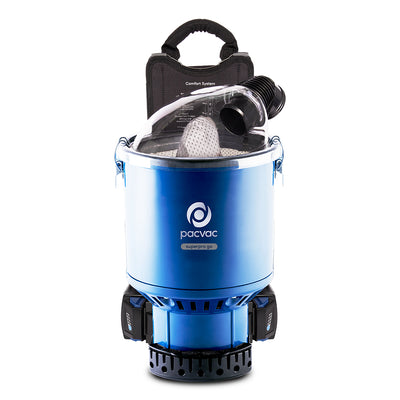 Pacvac Superpro Go Battery Backpack Vacuum — Cordless Commercial HEPA
$1,421.05 inc GST
Buy 10+ and save $142.11 each
 Henry Pro Vacuum Cleaner — 9L HVR200B Commercial Canister Vacuum
$629.90 inc GST
Buy 10+ and save $62.99 each
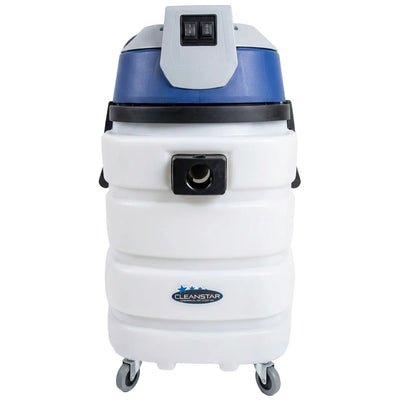 Cleanstar Commercial Wet & Dry Vacuum — 90L Industrial Vacuum
$1,270.65 inc GST
Buy 10+ and save $127.07 each
Written by
Jordan MatthewsCommercial cleaning specialist at Matthews Cleaning Company. Our expert team draws on years of hands-on field experience to help businesses choose the right tools and chemicals for every cleaning challenge.


