Vacuum Cleaner Maintenance: How to Keep Your Machine Running Like New
Your vacuum cleaner is one of the hardest-working tools in your cleaning arsenal—but is it getting the care it deserves? Regular vacuum maintenance not only extends the life of your machine but also ensures peak suction, better hygiene, and fewer service interruptions. Whether you use a commercial backpack vacuum, a cordless model, or a barrel-style unit, this guide covers everything you need to keep it performing at its best.
Why Vacuum Maintenance Matters
A well-maintained vacuum:
- Delivers stronger and more consistent suction
- Improves indoor air quality by capturing more dust and allergens
- Reduces the risk of motor damage or overheating
- Prevents downtime due to blockages, electrical faults or broken components
- Saves money on repairs and replacement parts
Daily & Weekly Maintenance Checklist
Follow this simple routine to keep your vacuum cleaner in top shape:
✅ Empty or Replace the Dust Bag/Canister
Always empty the dust canister or replace the dust bag before it’s two-thirds full. Overfilled bags reduce airflow and strain the motor. For best results, use genuine dust bags designed for your model.
✅ Check & Clean the Filters
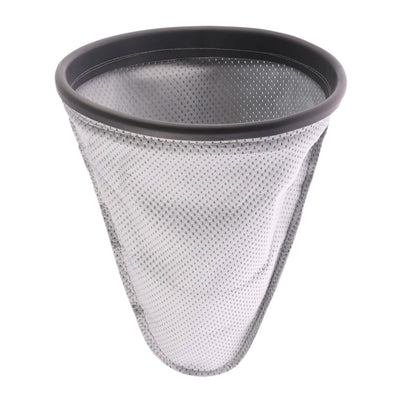
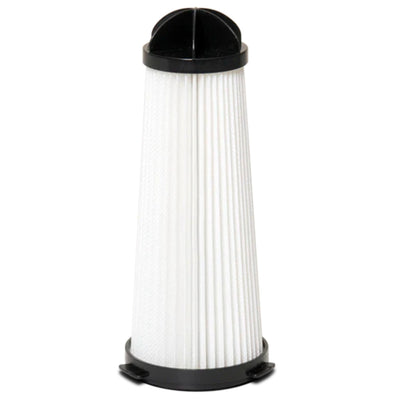
HEPA and pre-motor filters should be inspected weekly. Rinse washable filters in warm water and allow them to dry completely before refitting. Replace non-washable HEPA cartridges every 6 months or sooner in dusty environments. Shop replacement filters here.
✅ Inspect Hoses and Wands
Look for blockages, kinks or cracks in hoses and extension wands. A simple clog can significantly reduce suction. Use a broomstick or compressed air to dislodge any debris safely.
����� Clean or Replace Floor Tools
Floor tools like gulper heads or turbo brushes can accumulate hair, fibres and debris. Remove tangled material and rinse under warm water if needed. Damaged heads should be swapped out—see our range of floor tools here.
✅ Wipe Down the Exterior
Dust and grime build-up can enter vents and damage electronics over time. Wipe the exterior with a damp microfibre cloth weekly to keep it clean and professional-looking.
Monthly Maintenance
🔄 Rotate Batteries (For Cordless Models)
Ensure batteries are cycled properly. Never store lithium batteries fully drained. Charge after each shift and store in a cool, dry place. Need a spare? Explore our i-power battery range.
🔧 Check Cable & Plug Safety
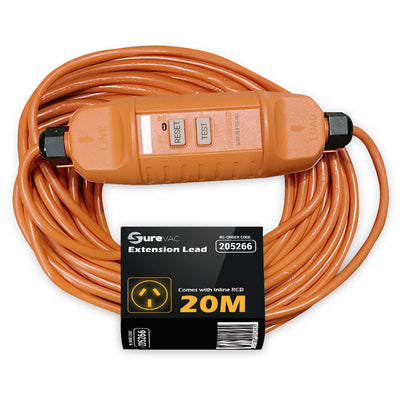
If you're using a corded vacuum, check for frayed wires or loose connections. Use an RCD-protected extension lead for added safety on worksites.
⚙️ Tighten Screws and Fittings
Vibrations during daily use can loosen fasteners and create long-term issues. Use a screwdriver to check for any loose screws, clips or accessories once a month.
Signs Your Vacuum Needs Servicing
- Sudden loss of suction or unusual whistling sounds
- Burning smell or overheating during use
- Motor cutting out intermittently
- Dust blowing out the exhaust
- Persistent clogging despite regular emptying
If you notice any of these signs, it may be time to replace a filter, clean internal components, or upgrade to a more powerful unit. Browse our trusted vacuum cleaner range here.
Stock Up on Replacement Parts
We carry a full range of spare parts, including:
-
HEPA and pre-motor filters
-
Dust bags and reusable liners
-
Extension cords
-
Floor tools and hose accessories
- Spare batteries and chargers
Final Word: Treat Your Vacuum Like a Workmate
Like any essential tool, your vacuum performs best with regular upkeep. With a bit of care and a few spare parts on hand, you’ll reduce breakdowns, extend machine life, and keep your cleaning standards high—day in, day out.
Need help troubleshooting or finding compatible parts? Our team is here to help you keep your machines running strong.
Shop vacuums, filters, batteries, and tools that work as hard as you do—only at Matthews Cleaning Company.
Filter Care: The Most Neglected Aspect of Vacuum Maintenance
The filter is the most critical component of your vacuum's performance and hygiene output — and the most frequently neglected. A clogged or deteriorated filter restricts airflow, reduces suction power, and allows fine dust to bypass filtration and recirculate into the air. For HEPA-equipped commercial vacuums, a degraded filter defeats the entire purpose of the HEPA system.
Filter maintenance schedule by type: foam pre-filters (wash monthly, replace annually), cartridge filters (tap clean monthly, replace every 6–12 months), HEPA filters (inspect monthly, replace annually or per manufacturer recommendation), and bag/motor filters (check each bag change). Browse genuine vacuum filters and accessories for your specific model at Matthews Cleaning.
When to Replace Vacuum Bags vs Empty Bagless Vacuums
Bagged vacuums: replace the bag when it's approximately two-thirds full — not completely full. A full bag restricts airflow and reduces suction before the machine shows obvious signs of struggle. For commercial use, factor in bag replacement as a regular supply cost and keep spares on-site. Bagless/cyclonic vacuums: empty the canister after every use or at most after each shift. Allowing fine dust to compact in the bin reduces cyclonic separation efficiency and can force fine particles through to the motor filter.
Hose, Wand, and Attachment Maintenance
Blockages in hoses and wands are a leading cause of perceived "loss of suction" in commercial vacuums. To check for blockages: disconnect the hose from both the machine and the floor tool, and look through it — you should see clear light. To clear a blockage: push a broom handle through from one end, or use compressed air if available. Regularly inspect hose connections for cracks, and check brush rolls for hair and fibre wrap that reduces rotation and scratches hard floors.
Commercial Vacuum Lifespan: What to Expect
A well-maintained commercial vacuum from a quality manufacturer like Pacvac, Numatic, or Cleanstar should last 5–10 years in daily commercial use. Warning signs that a vacuum is nearing end of life include: persistent suction loss despite clean filters and empty bags, unusual motor noise or overheating, burning smell during operation, cracks in the housing or hose that can't be sealed, and difficulty sourcing replacement parts. Matthews Cleaning Company stocks a full range of commercial replacement vacuums when it's time to upgrade.
Maintaining Cordless Commercial Vacuums
Cordless vacuum maintenance has the same filter and brush roll requirements as corded models, with the addition of battery care. To maximise lithium-ion battery lifespan: avoid fully depleting the battery before recharging, store charged at 40–80% if not in use for extended periods, keep the battery at room temperature (avoid storing in hot vehicles or cold environments), and replace the battery at the first sign of significantly reduced runtime. Genuine replacement batteries are available for Pacvac cordless models through Matthews Cleaning.
Shop Commercial Vacuum Cleaners at Matthews Cleaning Company
Matthews Cleaning Company is your trusted Australian supplier for commercial cleaning products. We stock a comprehensive range of products from leading brands, with competitive trade pricing, reliable stock, and fast Australia-wide delivery. Whether you're a professional cleaning contractor, facilities manager, or business owner, our team has the expertise and product range to support your operation. Browse our commercial vacuum range online or contact us for expert advice and bulk pricing.
Fast Delivery and Trade Pricing Across Australia
Regular vacuum maintenance is the single most cost-effective way to extend equipment life and maintain cleaning performance. Matthews Cleaning Company delivers to commercial customers across Australia with fast dispatch from our warehouse. We offer competitive trade pricing for cleaning contractors, facilities managers, and businesses purchasing in volume. Setting up an account with Matthews Cleaning simplifies your procurement — regular orders, consistent stock, and a single point of contact for all your commercial cleaning supply needs.
Not sure which product is right for your application? Our team is available to help. We combine genuine product knowledge with real-world cleaning experience to guide you toward the right solution for your environment, compliance requirements, and budget. Contact us for personalised product advice or browse our full commercial cleaning range online.
Return on Investment Analysis
Investing in proper vacuum maintenance delivers measurable returns for Australian facilities. Whether you manage a small office or a multi-level commercial building, the numbers make a compelling case for proactive care over reactive repair.
Cost of Neglect vs. Preventive Maintenance
| Expense | Without Maintenance Program | With Maintenance Program |
|---|---|---|
| Annual repair costs (per unit) | $350–$600 | $80–$150 |
| Average machine lifespan | 2–3 years | 5–7 years |
| Replacement frequency (5-unit fleet) | 2 units/year (~$3,000) | 1 unit every 2 years (~$750/year) |
| Unplanned downtime incidents | 8–12 per year | 1–2 per year |
Scenario 1: Small Office (Under 500m²)
A typical small office running a single commercial upright vacuum ($600 value) can expect to save $400–$700 per year through regular filter replacement, belt checks, and brush roll cleaning. Replacing HEPA filters on schedule ($35–$50 each) rather than waiting for failure prevents motor burnout that costs $250+ per repair. The maintenance program pays for itself within 4–6 months.
Scenario 2: Large Commercial Facility (5,000m²+)
Facilities operating a fleet of 5–10 backpack or barrel vacuums see significantly larger gains. Implementing a structured maintenance schedule—including daily debris checks, weekly filter cleaning, and quarterly belt and hose inspections—typically delivers:
- 40% reduction in repair callouts, saving $2,500–$4,000 annually in technician fees
- 25% improvement in suction efficiency, reducing cleaning time by approximately 30 minutes per shift and translating to $3,500+ in annual labour savings
- Extended machine lifespan by 60–80%, deferring $4,500–$7,000 in fleet replacement costs over a five-year cycle
- Fewer HEPA filter failures, improving indoor air quality compliance and avoiding potential $1,000–$5,000 in remediation costs for IAQ-related complaints
Product Choice Matters
Commercial-grade vacuums priced at $500–$800 outperform budget models ($200–$300) not just in durability but in total cost of ownership. A quality backpack vacuum running at peak performance consumes fewer bags,
Frequently Asked Questions
Q: How often should vacuum cleaners be serviced in a high-traffic commercial facility?
A: In high-traffic environments such as offices, retail spaces, or healthcare facilities, vacuum cleaners should receive a thorough professional service every six to twelve months, depending on usage intensity. However, daily and weekly maintenance tasks—such as emptying canisters, inspecting filters, and checking for blockages—should be built into your cleaning team's standard operating procedures. Facilities with heavy foot traffic or environments that generate fine particulate matter (such as construction zones or manufacturing floors) may require more frequent filter replacements and belt inspections. Keeping a maintenance log for each unit helps you track service intervals and identify machines that are underperforming or nearing end-of-life.
Q: What are the warning signs that a vacuum cleaner needs immediate attention or replacement?
A: Several red flags indicate a vacuum requires urgent maintenance or may need to be retired from your fleet. These include a noticeable drop in suction power even after emptying the canister and cleaning filters, a burning smell during operation (which often signals a worn belt or overheating motor), excessive vibration or unusual noises, and visible damage to the power cord or plug. If your cleaning staff report that a machine is leaving debris behind on surfaces it previously cleaned effectively, that's another strong indicator. As a general rule, if repair costs exceed 50% of the replacement value of the unit, it's more cost-effective to invest in a new machine rather than continue servicing an aging one.
Q: How can I standardise vacuum maintenance across multiple sites or cleaning teams?
A: Standardisation starts with clear documentation and accountability. Develop a written vacuum maintenance SOP (standard operating procedure) that outlines daily, weekly, and monthly tasks—complete with visual guides where possible—and distribute it to all cleaning teams across your sites. Laminated quick-reference cards stored with each machine can serve as effective reminders. Assign responsibility for maintenance checks to team leaders or shift supervisors, and implement a simple sign-off sheet or digital checklist so tasks are logged consistently. Additionally, standardising the vacuum models and brands used across your portfolio simplifies spare parts inventory management, reduces training time for staff, and ensures a uniform quality of clean across all locations.
Q: Is it worth investing in HEPA-filter vacuums for commercial facilities, and how does maintenance differ?
A: For most commercial facilities—particularly healthcare settings, aged care, education campuses, and any environment where indoor air quality is a priority—HEPA-filter vacuums are a worthwhile investment. They capture 99.97% of particles down to 0.3 microns, significantly reducing airborne allergens, dust mites, and fine particulate matter that standard filters miss. However, HEPA filters do require more diligent maintenance to remain effective. They should be inspected monthly and replaced according to the manufacturer's recommended schedule, which is typically every 12 to 18 months for commercial use. Never attempt to wash a HEPA filter unless the manufacturer explicitly states it is washable, as water damage can compromise the filter's integrity and render it ineffective. Factoring HEPA filter replacement costs into your annual maintenance budget ensures you're never caught off guard and your air quality standards remain consistently high.
Shop this guide

Written by
Jordan MatthewsCommercial cleaning specialist at Matthews Cleaning Company. Our expert team draws on years of hands-on field experience to help businesses choose the right tools and chemicals for every cleaning challenge.