Top Cleaning Tools Every Professional Needs v2 — Featuring Our Most Trusted Products

Whether you’re managing a commercial site or running a busy cleaning team, using the right tools makes all the difference. At Matthews Cleaning Company, we hand-pick tools we actually use — to help you clean faster, safer, and more consistently.
🧼 Why Investing in Quality Tools Matters
Top-tier tools don't just make cleaning easier — they also:
- Improve efficiency by reducing time spent on tasks
- Enhance safety by preventing slips, fatigue, and poor ergonomics
- Deliver more consistent results with less chemical use
- Help your team comply with WHS and hygiene standards
🧰 Must-Have Cleaning Tools (With Product Links)
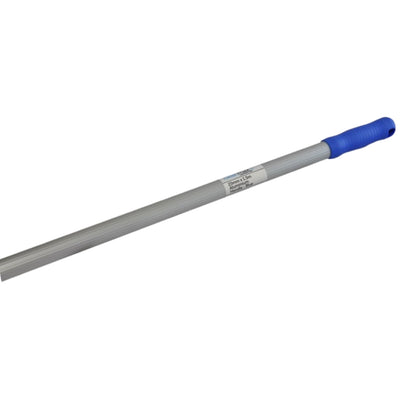
- Extension Poles: For high dusting, cobweb removal and window cleaning. Pair with our Surevac Aluminium Extension Pole – 2m.
- Flat Mop Systems: Essential for commercial hard floors. We recommend the Cleanmax Flat Mop Kit 400mm — reusable and compatible with colour-coded heads for hygiene control.
- Dust Control Mops: Large-area dusting made easy with the Cleanmax Modacrylic Dust Mop 600mm — perfect for schools, gyms and retail.
- Sanitary Bin Systems: For compliant washroom care, the TerraCyclic Sanitary Bin Starter Kit offers liner-free, odour-controlled disposal.
- Brushes & Scrub Pads: Need hand tools? Try the Radial Dish Brush with Soft Grip and Non-Scratch Scrub Pads – Pack of 10 for all-purpose scrubbing.
- Extension Leads: For corded vacuums and polishers, our Surevac 20m Extension Lead with RCD is heavy-duty and WHS compliant.
🏥 Industry-Specific Tool Suggestions
Healthcare: Use colour-coded flat mop heads to prevent cross-contamination. Combine with Puregiene Nitrile Gloves for hygiene and safety.
Hospitality & Food Service: Choose tools that are chemical-resistant and easy to clean. The Cleanmax Microfibre Cloths are ideal for stainless steel, glass and prep benches.
Education: Use ergonomic mop handles, wide dust mops, and labelled chemical bottles to keep workflows safe and simple for school cleaners.
Property & Facility Maintenance: Go mobile with a 4-compartment chemical caddy, microfibre cloths, and a flat mop system for all surfaces.
🛠️ Maintenance Tips for Cleaning Tools
- Hang brooms and mops to air dry — avoid leaving in buckets
- Wash microfibre cloths separately (no fabric softener) and air dry
- Check regularly for damaged brush bristles or worn-out mop heads
🛒 Shop Commercial Cleaning Tools Online in Australia
At Matthews Cleaning Company, we offer a wide range of commercial-grade cleaning tools that deliver results. Whether you're outfitting a team or upgrading a small business setup, you'll find everything you need — all backed by expert support and fast shipping across Australia.
Popular categories include Carpet Care equipment, Sponges, Scourers & Wipes, and our ready-to-go Cleaning Kits & Bundles — ideal for outfitting a new site or team quickly.
👉 Browse Our Full Cleaning Tools Range
Need help building a tailored toolkit for your industry or site? Contact our team for expert advice and bulk order pricing.
The Role of PPE in Professional Cleaning
Personal protective equipment (PPE) is not optional in commercial cleaning — it is a legal requirement when using hazardous chemicals or operating in environments with biological risks. Essential PPE for commercial cleaning: disposable or reusable gloves (nitrile for chemical resistance, latex-free for allergy safety), safety glasses or goggles when mixing or spraying chemicals, aprons or protective clothing for heavy wet work, and closed-toe footwear on wet floors. Browse our gloves and PPE range for commercial cleaning applications.
How to Organise Your Cleaning Trolley for Maximum Efficiency
A well-organised cleaning trolley reduces the time spent moving between areas and prevents cross-contamination. Best practice trolley layout: separate compartments for clean and soiled cloths; labelled colour-coded spray bottles in a dedicated caddy; fresh bin liners stored in the bin itself or in a designated pouch; a small lockable chemical storage compartment for concentrates; and a separate section for washroom supplies (paper products, soap refills, toilet blocks). Never mix food service and washroom cleaning supplies on the same trolley.
Sustainable Cleaning Practices
Professional cleaners increasingly adopt sustainable practices that reduce environmental impact without compromising standards. Key strategies: microfibre systems reduce chemical usage by cleaning effectively with water alone; concentrate chemicals in dosing systems reduce packaging waste and transport emissions; refillable dispensers eliminate single-use packaging; biodegradable chemical formulations break down safely in waterways; and using minimal water in mopping (flat mop systems use significantly less water than traditional mop and bucket) reduces water consumption. Matthews Cleaning stocks sustainable alternatives across our full range, including Enviroplus eco-certified cleaning chemicals.
Setting Up a Cleaning Program for a New Facility
Setting up a cleaning program for a new commercial facility involves six steps: site audit (floor types, surface materials, risk zones, foot traffic), frequency schedule (daily, weekly, periodic tasks), product specification (appropriate chemicals and tools for each surface and zone), staff training plan, quality assurance checkpoints, and consumables budget and supply arrangement. Matthews Cleaning Company is experienced in helping facilities managers, cleaning contractors, and hospitality operators establish efficient, compliant cleaning programs. Contact us to discuss your requirements or browse our complete range of commercial cleaning supplies.
Cleaning Compliance Requirements for Australian Businesses
Australian businesses face cleaning compliance obligations from multiple regulatory frameworks depending on their industry. Food businesses must comply with the Australia New Zealand Food Standards Code, which specifies requirements for cleaning and sanitising food contact surfaces. Healthcare facilities follow the Australian Guidelines for the Prevention and Control of Infection in Healthcare. Aged care providers must meet Aged Care Quality Standards that include infection control and cleaning requirements. Schools and childcare centres have state-based hygiene requirements overseen by health authorities.
Using the right professional cleaning tools, chemicals, and documented cleaning procedures is how businesses demonstrate compliance during audits and inspections. Matthews Cleaning Company can help you select products appropriate for your industry's compliance requirements and provide documentation to support your cleaning program.
Why Buy Commercial Cleaning Supplies from Matthews Cleaning Company?
Matthews Cleaning Company is an Australian-owned commercial cleaning supply specialist servicing cleaning contractors, facilities managers, hospitality operators, healthcare providers, and businesses of all sizes across Australia. We combine genuine product expertise with competitive trade pricing, reliable stock levels, and fast Australia-wide delivery.
Our team understands the demands of professional cleaning environments — the compliance requirements, the productivity pressures, and the importance of reliable supply. Whether you're ordering a single item or establishing a regular bulk supply account, we provide the same level of service and expertise. Browse our full cleaning supplies range or contact our team directly for advice on the right products for your specific application.
Fast Delivery and Trade Pricing Across Australia
Investing in quality tools and structured cleaning programs sets professional operations apart from the competition. Matthews Cleaning Company delivers to commercial customers across Australia with fast dispatch from our warehouse. We offer competitive trade pricing for cleaning contractors, facilities managers, and businesses purchasing in volume. Setting up an account with Matthews Cleaning simplifies your procurement — regular orders, consistent stock, and a single point of contact for all your commercial cleaning supply needs.
Not sure which product is right for your application? Our team is available to help. We combine genuine product knowledge with real-world cleaning experience to guide you toward the right solution for your environment, compliance requirements, and budget. Contact us for personalised product advice or browse our full commercial cleaning range online.
Related Reading
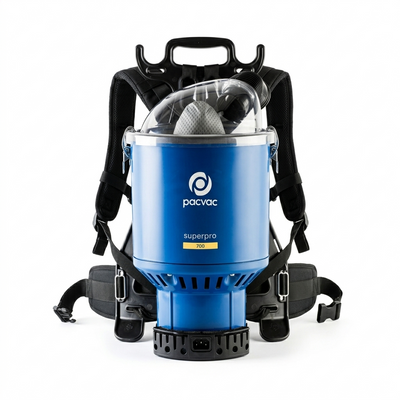
Build on the fundamentals covered in this guide by exploring our in-depth articles on commercial vacuum selection, professional dusting tools, and cleaning chemical selection. Matthews Cleaning Company stocks all the products featured in this guide with fast Australia-wide delivery and competitive pricing for commercial cleaning operations.
Return on Investment Analysis
Investing in professional-grade cleaning tools isn't just about better results — it's a measurable financial decision. Below, we break down the real-world cost savings Australian facility managers can expect when upgrading from budget-grade to commercial-quality equipment.
Cost Savings at a Glance
| Tool Upgrade | Typical Investment (AUD) | Annual Saving (AUD) | Payback Period |
|---|---|---|---|
| Premium flat mop system vs. traditional string mop | $120–$180 | $1,800–$2,400 (labour reduction) | ~4 weeks |
| Aluminium extension poles vs. ladders for high dusting | $85–$140 | $3,200+ (eliminated ladder hire & reduced WHS incident costs) | ~2 weeks |
| Calibrated spray bottles vs. generic bottles | $8–$15 per unit | $350–$600 (chemical waste reduction of 18–22%) | ~6 weeks |
| Colour-coded microfibre cloths vs. disposable wipes | $60–$90 (set of 20) | $1,200–$1,600 (consumable savings) | ~3 weeks |
| Correctly sized bin liners vs. oversized bags | No additional cost (right-sizing) | $400–$750 (waste & disposal fee reduction) | Immediate |
Scenario Comparisons
- Small office (under 500 m², 30 staff): Switching to a professional flat mop system and calibrated spray bottles reduces weekly cleaning time by approximately 25%, translating to $2,600–$3,400 in annual labour savings. The combined equipment investment of around $250 pays for itself within 5–6 weeks.
- Large commercial facility (5,000+ m², 200+ staff): A full toolkit upgrade — including extension poles, microfibre systems, colour-coded equipment and correct consumable sizing — typically delivers $9,500–$14,000 in combined annual savings across labour, chemicals, consumables and WHS compliance costs. Total equipment outlay of $800–$1,200 achieves full payback in under 6 weeks, with a first-
Frequently Asked Questions
Q: How often should professional cleaning tools be replaced to maintain performance and hygiene standards?
A: Replacement frequency depends on the tool type and usage intensity. Mop heads and microfibre cloths should be replaced every 1–3 months under heavy commercial use, or sooner if they show signs of fraying, discolouration, or reduced absorbency. Extension poles and rigid equipment can last several years with proper maintenance, but inspect them regularly for loose connections, cracks, or corrosion. Squeegee rubbers should be flipped or replaced as soon as streaking occurs. A good practice is to implement a tool audit schedule — quarterly for soft consumables and biannually for hard equipment — so your team is never relying on worn-out tools that compromise cleaning quality or WHS compliance.
Q: What's the best way to implement a colour-coded cleaning system across multiple facility zones?
A: Colour-coding is one of the most effective strategies for preventing cross-contamination between zones. The most widely adopted system assigns red for washrooms and high-risk sanitary areas, blue for general low-risk areas such as offices, green for kitchens and food preparation zones, and yellow for clinical or isolation areas. Start by mapping your facility into hygiene zones, then equip each zone with dedicated mop heads, cloths, and buckets in the corresponding colour. Label storage areas clearly and train all team members on the system during onboarding. Products like the Cleanmax Flat Mop Kit with interchangeable colour-coded heads make this transition straightforward without requiring entirely separate equipment sets.
Q: How can I justify the upfront cost of premium cleaning tools to senior management or budget stakeholders?
A: The business case for quality cleaning tools is compelling when you frame it around total cost of ownership rather than purchase price alone. Premium tools like commercial-grade flat mop systems and durable extension poles last significantly longer, reducing replacement frequency and waste disposal costs. They also improve labour efficiency — a well-designed dust control mop can cover large floor areas in a fraction of the time compared to a cheap alternative, directly reducing labour hours. Additionally, better tools mean more consistent cleaning outcomes, which lowers the risk of slip-and-fall incidents, failed hygiene audits, and tenant complaints. Present a simple cost comparison over 12 months that accounts for replacement cycles, labour time savings, and risk reduction — most facility managers find that quality tools pay for themselves within the first quarter.
Q: What should I include in a cleaning tool maintenance routine for my team?
A: A structured maintenance routine is essential for extending tool life and ensuring hygiene compliance. After every shift, microfibre mop heads and cloths should be laundered according to manufacturer guidelines — typically at 60–75°C without fabric softener, which degrades absorbency. Buckets, mop frames, and handles should be rinsed, sanitised, and stored upright in a well-ventilated area to prevent mould and bacterial growth. Weekly, inspect all equipment for damage — check extension pole locking mechanisms, squeegee rubber integrity, and trigger spray functionality. Monthly, conduct a full inventory check to identify items approaching end of life and place reorders proactively. Document your maintenance procedures in a simple checklist and make it part of your team's standard operating procedures so nothing falls through the cracks.
Best sellers
View all →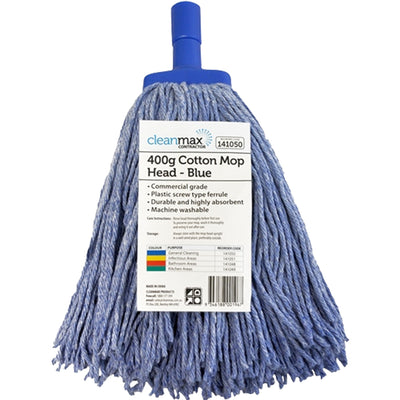
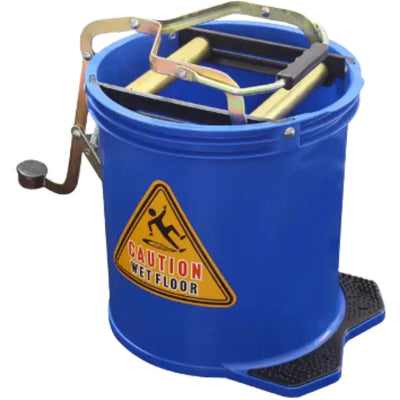 Cleanmax Contractor Mop Wringer Bucket — Blue, 16L, Side-Press
$51.10 inc GST
Buy 10+ and save $5.11 each